
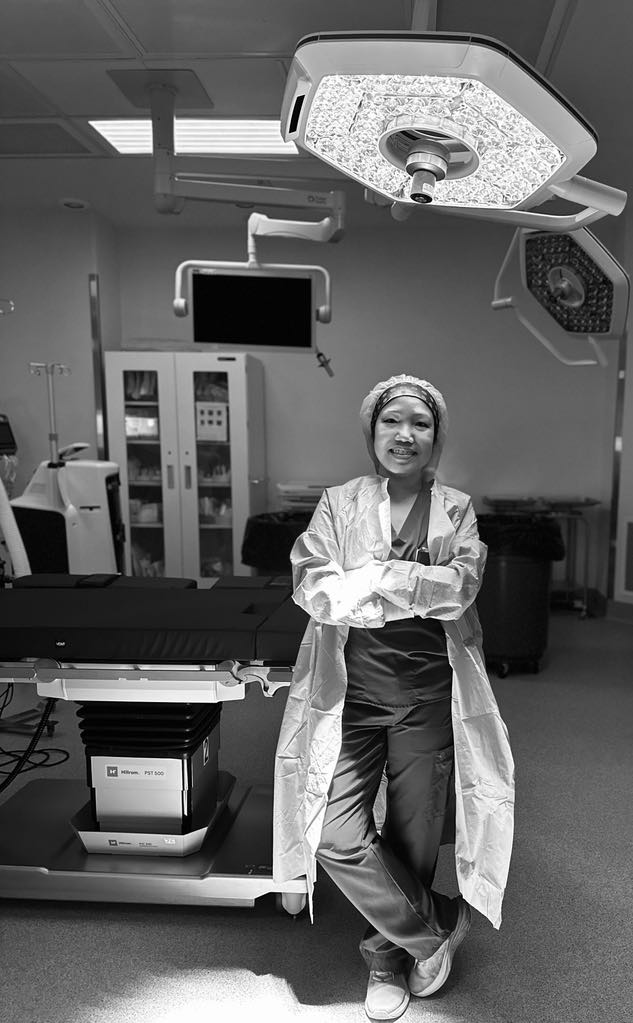
I worked in surgical settings for years. The OR is unlike any other place in medicine, and most people, including other nurses, have no idea what actually goes on behind those doors. Since moving into legal nurse consulting, I can tell you: almost everything I learned in the OR shows up again in surgical malpractice cases.
Time Pressure Nobody Documents
An OR schedule runs like an airline. Cases are stacked back to back. When things run long, the next case gets compressed. The prep is faster, the briefing is shorter, the team is already tired. None of that appears in the operative report. The note will say the patient was prepped and draped in the usual sterile fashion. It will not say the surgeon walked in late, anesthesia was covering two rooms, or the circulator was on her third week with the new charting system.
Context like that matters when something goes wrong. I look at the timestamps. Anesthesia start. First incision. Close time. When those numbers are squeezed in a way that doesn't fit the procedure, that's a thread worth following.
The Time Out
Every surgical case starts with a time out: the team confirms the patient's name, date of birth, procedure, surgical site, and known allergies. It exists because wrong-site surgery happens. Wrong-patient surgery happens. When records show a time out was completed, they will say "all team members in agreement." What they won't tell you is whether it was genuine or a rushed recitation with the surgeon already thinking about the incision.
If there's a wrong-site outcome, that documentation becomes the center of the case.
What the Anesthesia Note Tells You
The anesthesia record is one of the richest documents in a surgical case. It's time-stamped, continuous, and captures vital signs, medications, ventilator settings, and events throughout the procedure. If a patient's blood pressure dropped for eight minutes and intervention wasn't documented until minute twelve, that's a significant finding. Position injuries, fluid balance issues, medication timing - it's all in there if you know how to read it.
What Gets Missed
Attorneys reviewing surgical cases often focus on the operative report, which is written by the surgeon and reflects one perspective. The full picture requires reading the nursing intraoperative record and the anesthesia note alongside it, and knowing when they should align and when they don't.
A discrepancy between those two records can locate exactly where an injury occurred. These are the things you see when you've actually worked inside that room. Making the documentation tell a clear story is the job.